Customers crave authentic experiences online, especially now that fake reviews, paid influencers, and ads are so common. That’s the reason why user-generated content (UGC) is still at the top of the most effective marketing strategies.
One report even mentioned that 80% of customers consider UGC as a “huge deciding factor” when they buy something online.
But what kind of UGC campaign should you go for? Which ones actually work? While we can’t answer that directly, we can show you some of the successful ones out there.
In this article, we’ll talk about the 12 best user-generated content examples. We’ll also introduce a simple app that can help you create your own successful UGC strategy.
12 Best User-Generated Content Examples
Here are 12 brands (and UGC examples) that you can get some inspiration from. We’ll share with you their strategies, explain why they worked, and share one practical takeaway from each.
1. Dermstore’s Unfiltered Product Reviews
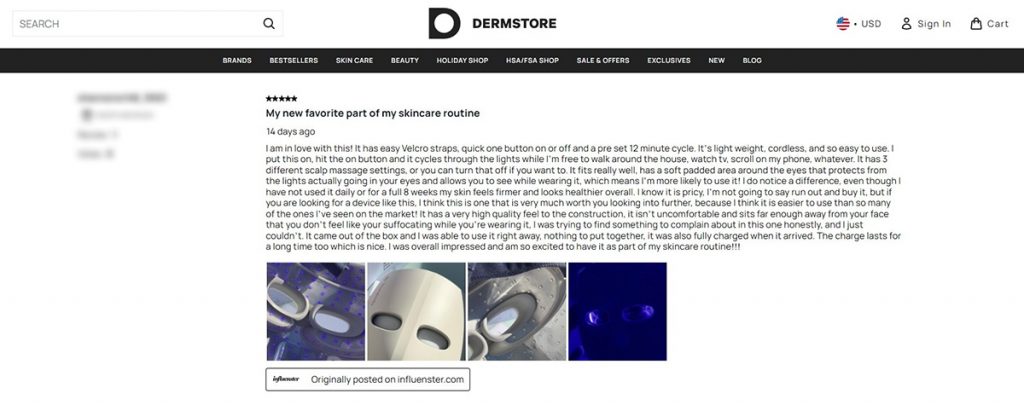
Dermstore is a U.S. beauty retailer selling professional-grade skincare, cosmetics, and beauty tools since 1999.
It uses product reviews and testimonials as its UGC strategy. But unlike basic review systems, Dermstore’s version is more… detailed and helpful for visitors.
Why It Works
Beauty products are really personal. What works for a 25-year-old with oily skin may cause a breakout for someone younger with dry skin.
That’s where Dermstore did great. It has advanced filters where visitors can sort by age, skin type, and even location to find reviewers who match their profile. And that helps viewers decide whether to buy the product.
I also noticed how it added details (reviewer’s age and gender) to make the reviews feel authentic. On top of that, there’s no bias in the reviews shown. Both positive and negative reviews are available on the product pages… and not hidden.
Dermstore’s revenue in 2024 reached $232 million. And we think these reviews helped build the kind of customer confidence that converted visitors into customers.
Key Takeaway: Reviews and testimonials work more effectively if you give visitors more control (like filters) to find relevant information faster.
2. Lululemon’s Lifestyle-Driven UGC
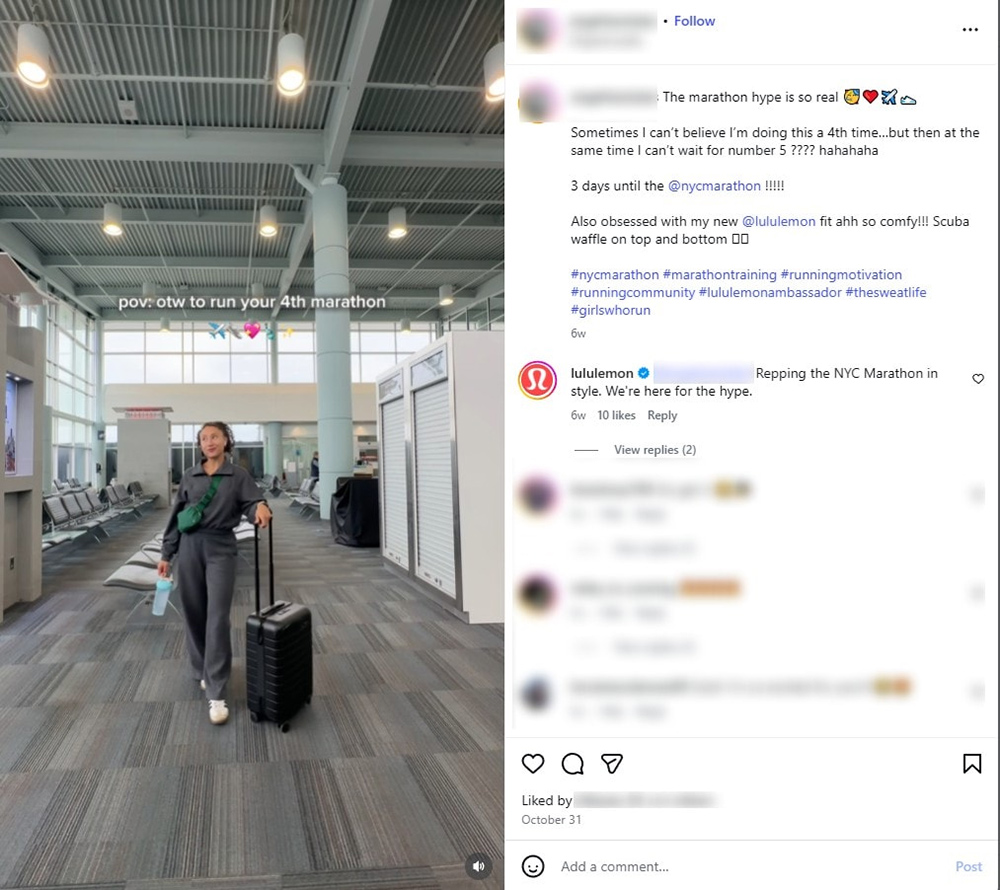
Lululemon is a Canadian athletic apparel brand that is popular for starting the “athleisure” trend (lifestyle + athletic wear).
One of its main UGC campaigns uses the hashtag #thesweatlife. And it encourages customers to share their daily routines and travel moments on their social media platform while wearing Lululemon’s clothing.
Why It Works
Do you know that this campaign generated over 7,000 customer photos on social media channels in just a few months? Now, as we speak, it already has 1.5M organic posts on Instagram (wow!).
The hashtag worked really well because it reflects the brand’s “philosophy” that it has been pushing for years. Its customers are already familiar with the phrase, so it’s easy to remember (and it’s actually simple but unique).
What made Lululemon’s strategy more effective is its team’s effort to reply to comments and posts and even feature some of them on its own account. That builds the “personal connection” with its customers.
Key Takeaway: You can take advantage of a phrase or statement that your customers already know and use it as a UGC campaign hashtag.
3. Apple’s User-Driven Photo Campaign (#ShotoniPhone)
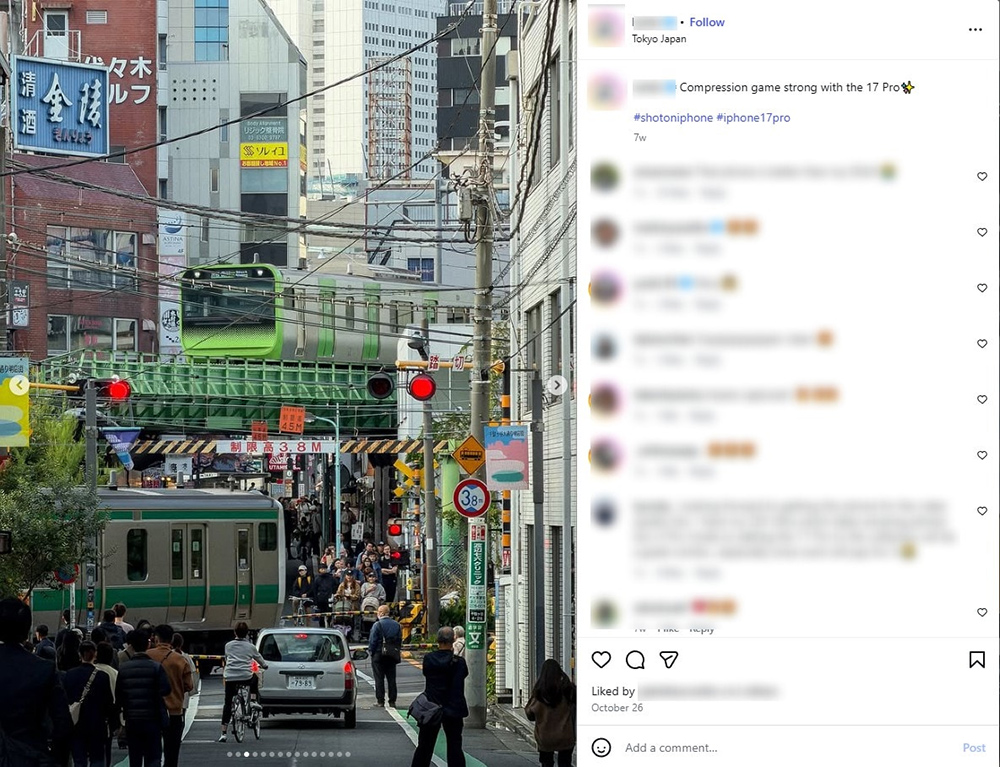
Apple’s UGC campaign started as a “ridiculously simple idea” (coming from the VP himself). What they didn’t know was that it would remain popular even after 11 years.
#ShotoniPhone is actually an ad campaign launched in 2014 to convince iPhone 6 users to share their photos for a billboard. Now, the hashtag is used organically on social media posts and has become a “self-sustaining” user-generated content campaign.
Just type it on X or Instagram, and you’ll see how many influencers and normal iPhone users create content on their social accounts with this hashtag.
Why It Worked
This campaign worked (both as an ad and UGC) because users were already sharing iPhone-taken photos online before it even became an official marketing initiative. Apple did a great job of observing its customers and using the existing behavior to its advantage.
The brand also kept the “momentum” through posting mini-challenges like the “Shot on iPhone Macro Challenge” in 2022.
But Apple’s hashtag also did its part. It’s 100% memorable and a no-brainer, so when you see it, you already know the purpose and the brand behind it. What’s even better is that it gives users complete creative freedom to show their talent without any strict guidelines.
Right now, this hashtag has over 31.7M posts on IG and 257,000 YouTube videos.
Key Takeaway: Observe your customers and see what they’re already doing. You’ll never know what precious idea you can get from them.
4. e.l.f.’s TikTok-First Viral Campaign (#EyesLipsFace)
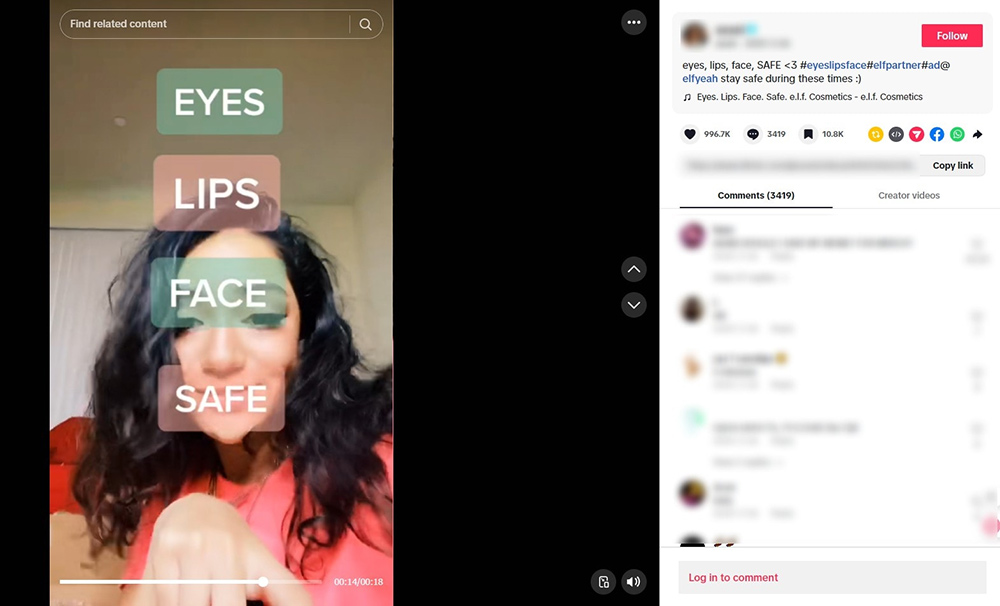
e.l.f Cosmetics is a popular American beauty brand that sells high-quality, affordable, and cruelty-free makeup.
Because of sales struggles in 2018, e.l.f. decided to work on its marketing strategy. That was to launch a short-form UGC campaign. It took advantage of the “millions” of views that they’re already getting on TikTok and created their own campaign #EyesLipsFace.
Why It Worked
Music, the right platform, plus perfect timing, made this campaign a success. e.l.f. understood that catchy music drives virality on TikTok, so they created an original song that people actually wanted to dance to (not just another boring brand jingle).
The result? #EyesLipsFace became TikTok’s most viral campaign in U.S. history… even some celebrities like Lizzo and Reese joined the trend. It garnered 5 million user-generated videos and 7 BILLION views. Talk about impressive numbers!
Key Takeaway: Knowing where your audience is and adding your own twist (like music) is a great combination to catch customers’ attention.
5. Lulus’ Shoppable UGC Gallery (#LoveLulus)
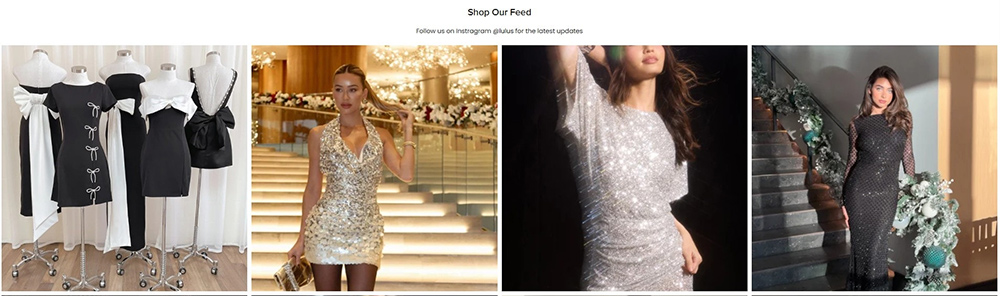
Lulus isn’t the same as Lululemon, so please don’t be confused. It’s also a clothing brand, but the products are more for chic and feminine occasions like date nights or business meetings.
This brand uses a shoppable UGC gallery. If you go to its website, you’ll see a “Shop our feed” page. Here, you can browse outfits that real customers shared using the #LoveLulus hashtag. Every image includes a link (or links) where you can buy the item directly.
Why It Works
Of course, we appreciate seeing models wearing beautiful dresses on product pages. But do they look good for tanned women, shorter ones, or plus-size customers? This is what this UGC campaign provides.
It gives confidence to customers that they can wear the same outfit… even without having the model figure. When you see someone with your body type or style wearing that exact dress, it’s way more convincing.
Plus, Lulus made sure that the page is easy to access and responsive. I liked how they added multiple links for images that feature different products in one outfit.
Key Takeaway: Make your UGC content a direct shopping experience (not just a social proof). It’ll allow you to reduce friction and increase your conversion.
6. Fenty Beauty’s Community-Led Campaign (#FentyFace)
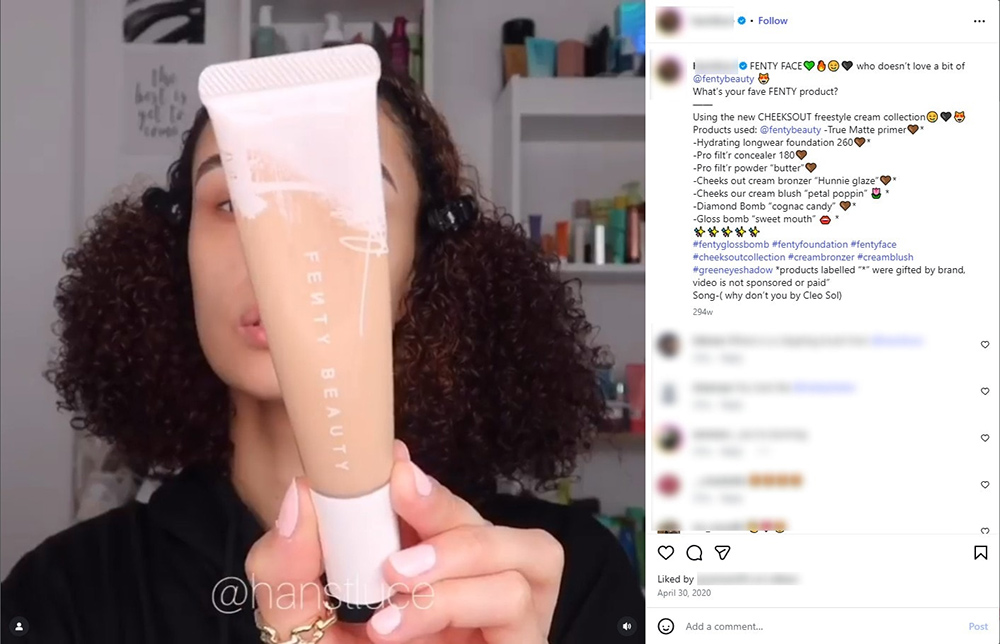
Fenty Beauty applied its “Beauty for All” philosophy to keep users engaged with its community-led UGC campaign: #FentyFace.
Anyone could join as long as they use a Fenty product. All they have to do is post their look or makeup routine and tag the brand.
But what made it different from a typical #hashtag campaign? Well, the people get complete creative freedom. There are no scripts or guidelines. Customers can decide what they want to do: from the items to use to the makeup style they go for.
Why It Worked
The supportive community behind Fenty has made this a successful campaign. It’s customer-driven content that has become a “shared identity” among users who genuinely support each other. You can see how encouraging other Fenty users are in the comment section (I swear I could feel their excitement while reading).
Another reason is Fenty’s team’s participation. Even after the original campaign ended, they still regularly share user content on their main Instagram page. This is the best way to keep the engagement and connection going.
Key Takeaway: A memorable hashtag combined with genuine community support can keep your customers actively creating content.
7. KraveBeauty’s Transformation Campaign (#PressReset)
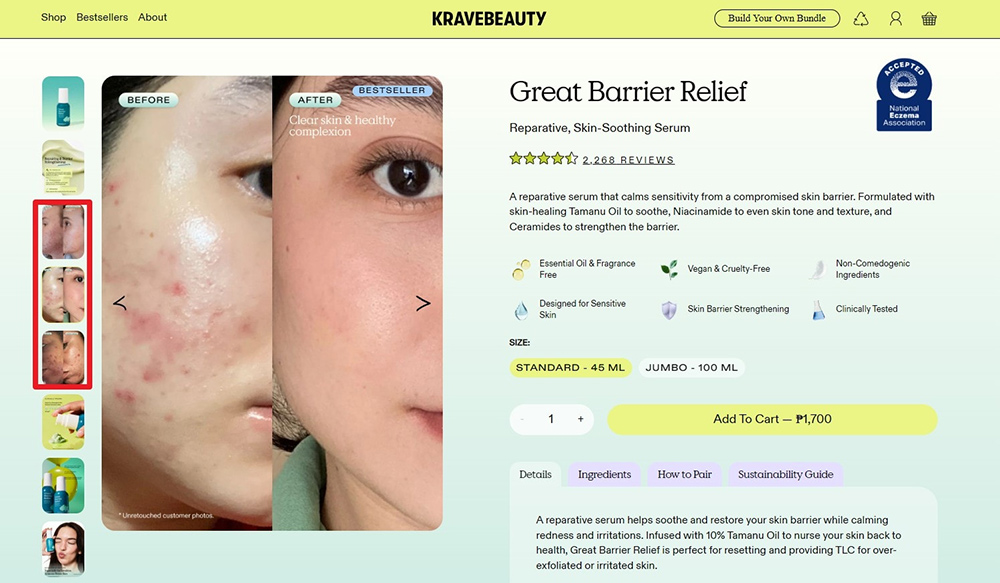
What’s a more effective way to convince people to buy than providing visible results? That’s what KraveBeauty’s #PressReset UGC campaign is all about.
The brand used images of their customers’ before-and-after photos to show how the products transformed their journey to healthier skin. This content is available on each product page (somewhere in between professional shots… and product photos).
Why It Works
For skincare brands, transformation photos are the best way to provide credibility. No other marketing copy can top it. It worked for Kravebeauty as it’s able to share user-generated content where potential customers are “lurking” around.
But that’s not all. The brand partnered this UGC campaign with another one: product reviews and testimonials. So if visitors are not convinced by the images from real customers, they can check more comments about the product.
Key Takeaway: Real and unedited transformation photos have a strong effect that studio photos can’t provide. You can use that to gain the trust of your visitors.
8. Coca-Cola’s Personalized Campaign (#ShareACoke)
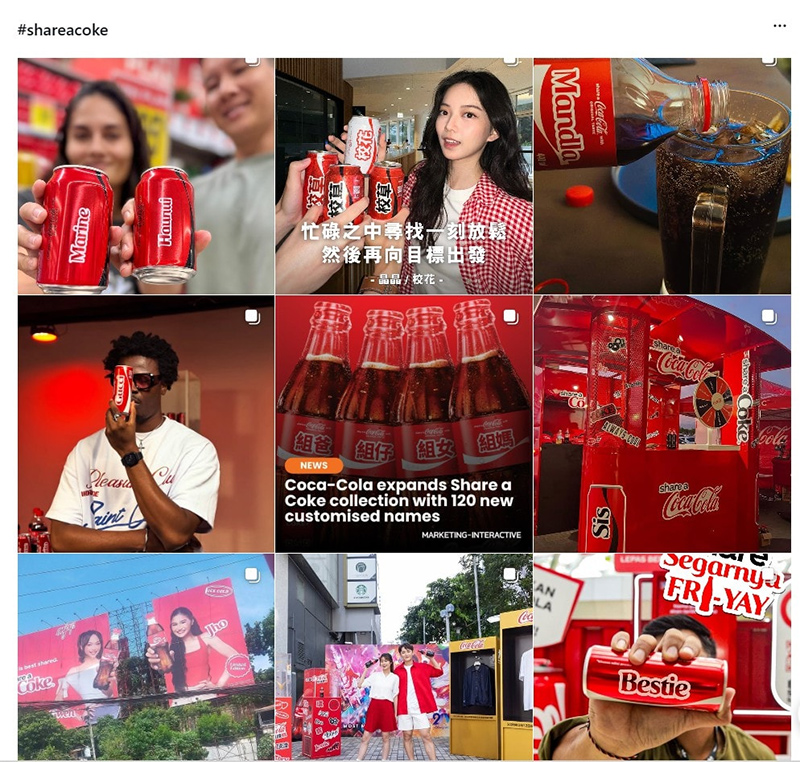
Share-a-Coke is a personalized UGC campaign of Coca-Cola. The first one in 2011 took the world (70+ countries in particular) by storm. And now, this viral campaign is back to reach the new generations.
This campaign is pretty simple. Coca-Cola replaced its iconic logo with popular names, nicknames, and titles like “Mom” or “Bestie.” Customers are encouraged to find bottles with their own name (or of someone they know) and share a photo using #ShareACoke on social media.
Why It Worked
Coke perfected four key elements in this UGC marketing strategy: Personalization, online engagement, call-to-action, and storytelling. That made the campaign global and easy to replicate, but still meaningful enough to feel personal.
Do you want to know the results? In 2011, it generated over 500,000 shared photos. Coca-Cola even gained 25 million Facebook followers, and its traffic went up by 870%.
The results for 2025 aren’t disclosed yet. But looking at how people are joining the trend, they’ll surely get good results.
Key Takeaway: When personalization is paired with a clear reason to involve others, people do not need to be convinced to create content.
9. Doritos’ Creative Contest (#CrashTheSuperBowl)
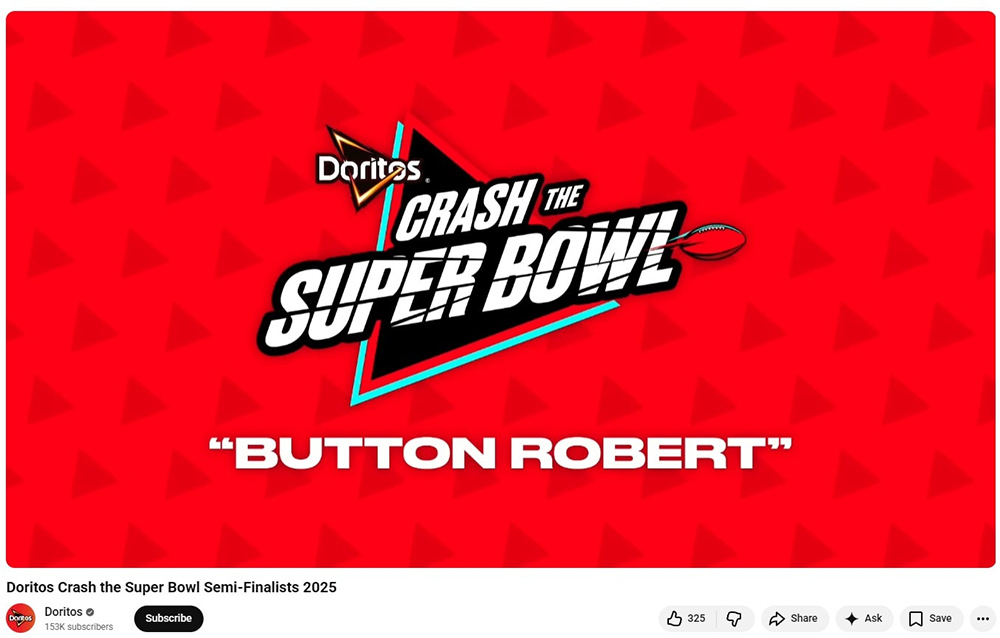
“Crash the Super Bowl” is a contest-style UGC campaign where anyone can submit their own witty versions of Doritos’ commercials.
It’s another long-running UGC campaign (next to #ShotoniPhone). The contest ran from 2006 until 2016. And last year, they announced their comeback.
Why It Worked
Doritos made sure that the prize was so irresistible that people couldn’t ignore it. It’s not a simple “thank you” in return for free content, but huge exposure (we all know how popular the Super Bowl is) and $1 million in prize money.
What made it even better was that creativity mattered more than follower count. Unknown UGC creators could actually beat influencers. And the competition remained fair and square for everyone.
The campaign was a success. The brand received 36,000 entries on its original run. Plus, it saw a 12% increase in sales after airing the first fan-made commercial.
Key Takeaway: Make your rewards meaningful relative to the effort you’re asking for.
10. LEGO Ideas Co-Creation Campaign
LEGO Ideas is another campaign example that uses real customers’ creativity. But it’s co-creation, not a contest.
Fans post their custom LEGO builds in an online community, and others can vote on which ones they think are cool. If a design gets 10,000 votes, the brand’s team will consider whether it can be turned into a real set that people can buy in stores.
Why It Works
Getting 10,000 votes isn’t impossible… but it’s not easy either. So, there’s a thrill for those who submit their work. Plus, since LEGO fans already love building and creating, this is something they’ll enjoy.
Another reason why we think it works is because of the reward. Creators whose designs get selected receive 1% of total net sales. That kind of “ownership” makes the reward more attractive.
Key Takeaway: Give customers actual ownership and financial stakes when they contribute to your product development.
11. Airbnb’s Organic Community Stories
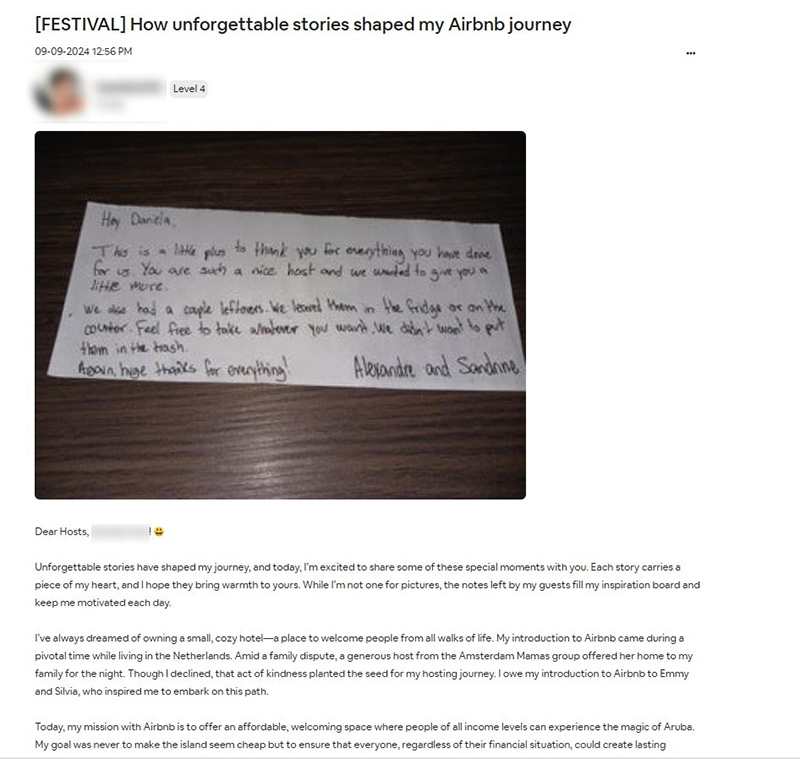
Airbnb has always been about inclusivity, community, and storytelling. Some of their famous campaigns include #HostwithPride, where they support LGBTQ+ communities, and #WeAccept to show that they don’t discriminate. No matter what the race, gender, or background, everyone should feel welcome.
So it’s UGC content aligns with that value, too. The brand lets guests and hosts tell their own experiences in a community forum.
Why It Works
It worked because of genuine connections. There’s no pressure to say anything biased or promote something.
You’ll see hosts sharing heartwarming thank-you notes from guests, asking for advice about challenging bookings, or even just reflecting on their hosting year. Everyone seems supportive and also shares their thoughts freely with those who post.
Key Takeaway: Create dedicated spaces where your customers can help each other rather than just promoting to them.
12. ALS Ice Bucket Challenge’s Viral Cause Campaign
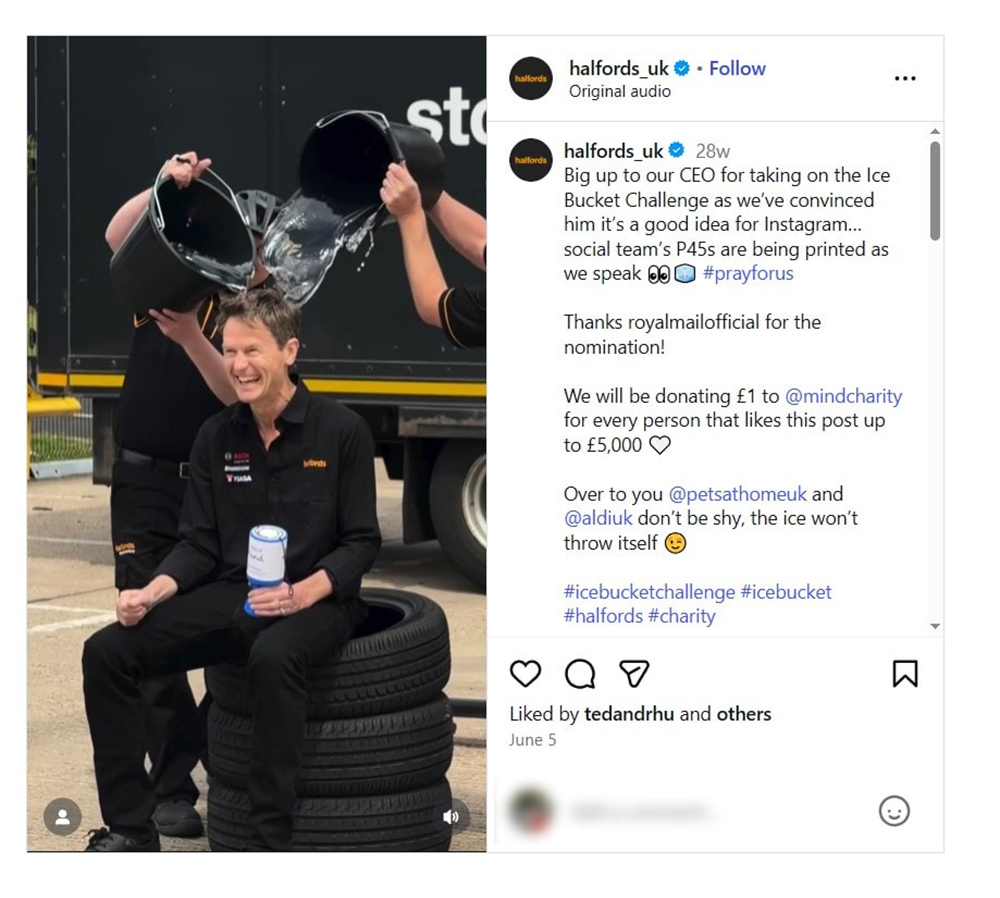
Who says UGC is only for selling products or for ecommerce stores? It can also be helpful for non-profit campaigns. And that’s what The ALS Association proved.
Its non-profit campaign has influenced people around the world (including celebrities and normal people) to donate and join the #IceBucketChallenge.
Why It Works
The challenge is super simple. You only have to record and dump ice water on your head, post it, and tag three social media accounts of your friends as a “nudge” for them to do the same.
What made it spread online fast was the tagging part. When your friend tags you to do something for a good cause, it’s hard to say no (especially when it looks fun). So, each participant tagged more people, and that created an endless chain of organic UGC videos.
By the end of the first-ever #IceBucketChallenge, it reached over 17 million people, and they raised $115 million for ALS research. That’s really impressive!
Key Takeaway: Simple, repeatable actions with peer-to-peer sharing can create massive organic reach when tied to meaningful causes.
And that ends our list of the best user-generated content examples! If you want to know more about how you can create your own effective UGC strategy, you can read our detailed UGC marketing guide here.
But for now, let me share with you an app you can use to encourage more materials for your UGC campaign.
Creating UGC Campaigns & Collecting UGC Effectively
Let’s be real. Most customers won’t post about your products just because they love them. They need a good reason to pull out their phone and create content for your brand.
That’s where our app, Trustoo Loyalty, makes things easier. You can reward people for posting Instagram photos, making YouTube videos, or writing reviews about your products. Every time they do something like this, they earn points they can actually use for discounts or free stuff.
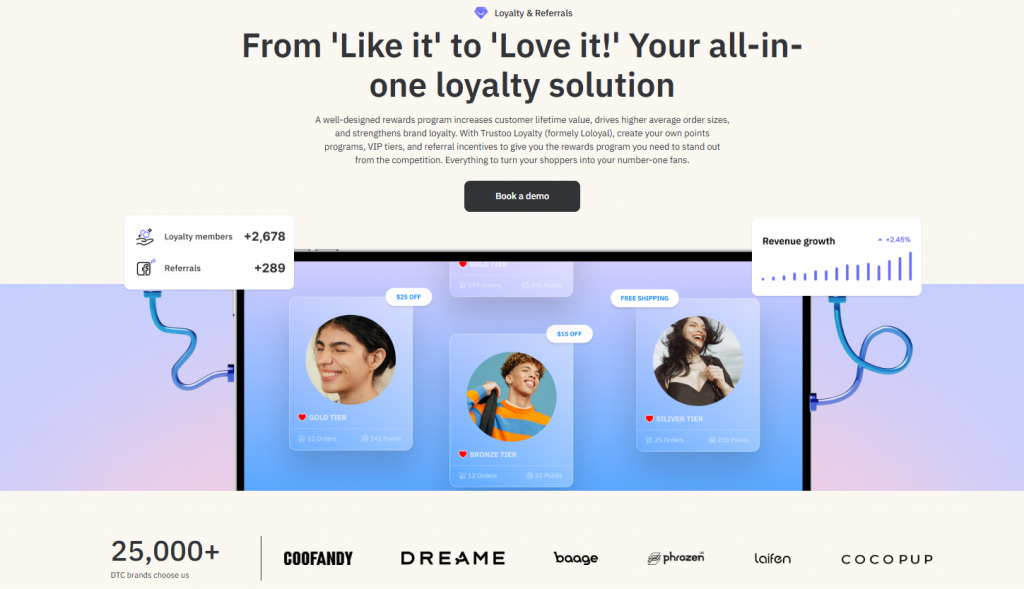
Here’s what’s cool about it. When someone leaves a review, they automatically get points (no extra work for you).
Plus, the loyalty app works perfectly with our review app, Trustoo. So when customers write reviews (which you collect automatically through emails, QR codes, or WhatsApp), they get rewarded with loyalty points right away. That’s a bit of automation that can save you time and make sure you don’t miss opportunities to reward customers.
Decoding Grundig E-Bike’s Success in UGC
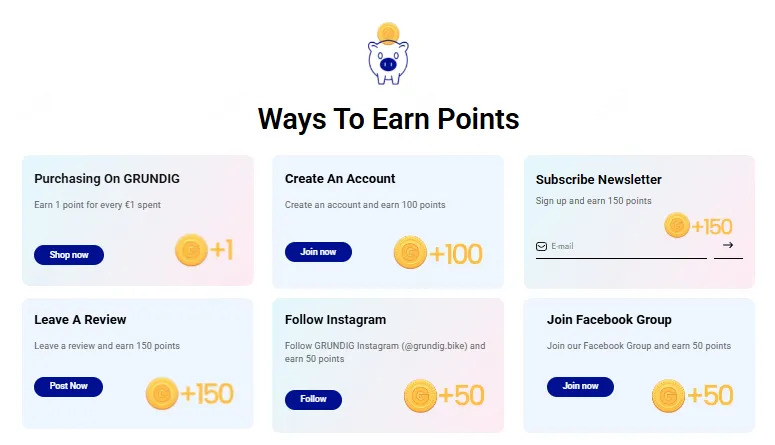
Grundig E-bike is one of our clients that used Trustoo Loyalty to build their UGC strategy from the ground up. As a newcomer to the e-bike market, they faced tough competition and needed authentic customer content more than flashy marketing campaigns.
They created a points system called “G Points” that rewards different types of content creation. Write a review and get 150 points. Post Instagram photos and earn 200 points. Make a YouTube video over two minutes long, and you get 1,000 points (pretty generous, honestly). They even double your points if they choose to feature your content.
What’s smart is how they set quality standards. YouTube videos must be HD and at least two minutes long, while social posts need specific hashtags. This way, they get user-generated content that actually helps sell bikes instead of random posts.
The results are impressive. Their referral program achieved a 30% conversion rate, cut customer acquisition costs in half, and boosted customer lifetime value by 85%. That’s huge when most e-bike brands spend over $100 just to get one new customer through paid advertising.
Conclusion: Time to Create Your Own UGC Strategy
That’s it for the best UGC examples you can get inspiration from. Which one is your favorite from the list?
These brands show us that UGC isn’t just about getting free content. It’s about building genuine connections with customers who become your biggest advocates. Whether it’s Dermstore’s unfiltered reviews, Apple’s decade-long photo campaign, or e.l.f.’s viral TikTok strategy, the most successful brands make content creation rewarding.
The common thread? They all give customers real reasons to participate, whether through recognition, rewards, or community building.
Ready to turn your customers into content creators? Trustoo Loyalty makes it simple to reward social shares, reviews, and referrals with points your customers actually want to earn.
Book a demo with our team to know how to get started.

Content Director | 9+ years decoding B2C & B2B eCommerce, obsessed with SaaS and retail storytelling
Words are my weapon—crafting killer copy, decoding trends, and turning data into gold. When not strategizing: Coffee addict, pun enthusiast, and book lover. Ready to level up your eCommerce game? Let’s chat. ☕️